Physical Address
34 Ire-Akari Estate Road, Isaga Tedo, Lagos, Nigeria
Physical Address
34 Ire-Akari Estate Road, Isaga Tedo, Lagos, Nigeria

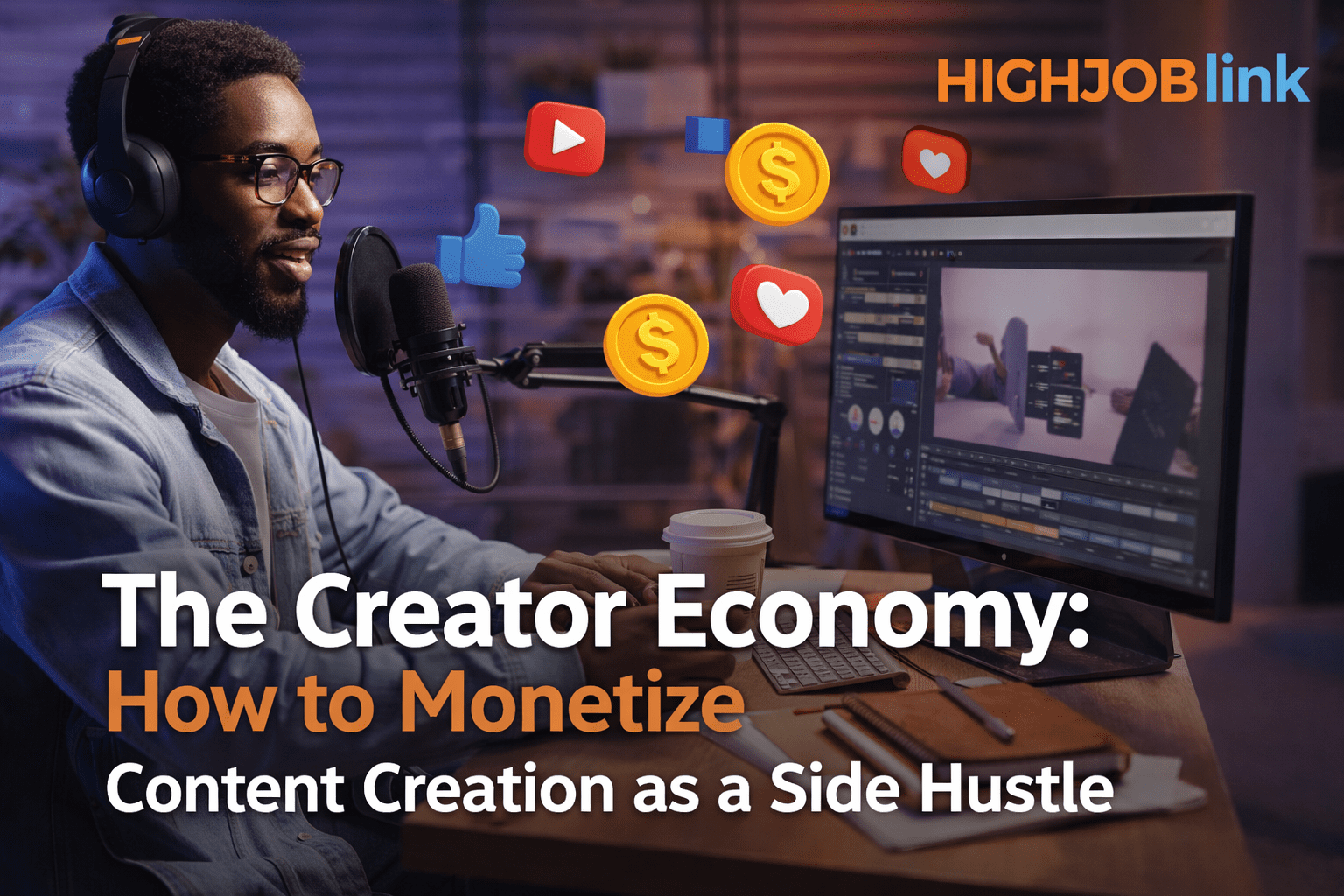
The Creator Economy 2026 is not just about influencers dancing on screens; it’s about ownership. I remember when “content creation” was seen as a hobby for those who didn’t want a real job. Fast forward to today, and I’m seeing professionals—doctors, engineers, and even civil servants—quietly building digital empires during their lunch breaks. If you aren’t thinking about how to package your knowledge into a digital asset this year, you’re essentially leaving a second salary on the table.
I’ve personally watched the landscape shift from “chasing likes” to “building community.” In 2026, the algorithm has become secondary to the Human Touch. People are tired of sterile, AI-generated noise; they are hungry for the authentic, messy, and lived experiences that only you can provide. Whether you are in Lagos, Accra, or London, the barrier to entry has vanished, but the bar for quality has never been higher. Let’s break down how you can carve out your slice of this multi-billion dollar pie.
Two years ago, you could go viral by accident. In 2026, virality is a science, but sustainability is an art. The World Economic Forum recently highlighted that digital content roles are among the fastest-growing sectors in the global service economy.
I’ve noticed that the “Middle Class Creator” has finally arrived. You no longer need a million followers to earn a living. With just 1,000 “True Fans,” many of my colleagues are generating more monthly revenue through their content creation side hustle 2026 than they do from their primary 9-to-5. The secret? They’ve moved from being “platform-dependent” to “platform-agnostic.”
If you’re waiting for YouTube or TikTok to send you a check, you’re playing an old game. From my perspective, the real wealth in The Creator Economy 2026 lies in direct-to-consumer value.
Micro-Memberships: Platforms like Patreon or local Nigerian alternatives allow your core audience to support you for the price of a cup of coffee.
Digital Products: I’ve seen creators turn a single viral thread into a ₦10,000 E-book or a $20 template. Once the work is done, it’s pure passive income.
Social Commerce: In 2026, the shop is inside the video. If you’re reviewing a laptop, the “Buy” button is right there. This has revolutionized how we monetize digital content Nigeria.
The biggest mistake I see beginners make is trying to talk to everyone. I’ve learned that the more specific you are, the more “irreplaceable” you become. Don’t just be a “Food Blogger.” Be the “Healthy Meal Prep Specialist for Busy Lagos Moms.”
When you narrow your focus, you don’t just get followers; you get a tribe. In The Creator Economy 2026, brands aren’t looking for the biggest reach; they are looking for the highest trust. I’ve witnessed small creators with 5,000 followers land bigger brand deals than those with 50,000 because their audience actually listens when they speak.
You’ve heard me talk about being an Irreplaceable Professional, and nowhere is this truer than in content creation. In 2026, the internet is flooded with “perfect” AI content. It’s boring. It’s soul-less.
I use AI to handle the “grunt work”—transcribing my videos, generating SEO keywords, or resizing my graphics. But the story, the voice, and the opinion must be mine. To truly succeed in The Creator Economy 2026, you must use technology to scale your humanity, not to replace it. If your content sounds like a robot wrote it, don’t be surprised when people treat it like spam.
If this is a side hustle, you probably have about 10 hours a week to give it. I’ve found that “Batching” is the only way to stay sane.
Preparation Day: Spend 2 hours researching 2026 market data trends and scripting.
Production Day: Record 4-5 videos in one go. Change your shirt, change your background, but keep the momentum.
Distribution Day: Use tools to schedule your posts across LinkedIn, Instagram, and your blog.
This “Once-a-Week” system is how I’ve seen full-time workers build massive online presences without burning out.
I have to be real with you—monetizing from Nigeria comes with its own set of hurdles. Whether it’s fluctuating exchange rates or payment gateway restrictions, you need to be savvy.
Global Payments: Use platforms like Payoneer or local fintechs that offer USD/GBP accounts.
Community First: If your audience is local, lean into direct bank transfers or local subscription platforms. Don’t let a lack of “Stripe” stop you from earning.
The window for “early adopters” in The Creator Economy 2026 is closing, but the room for “quality creators” is expanding. I often tell my friends: “The best time to start was two years ago; the second best time is today.”
Every time you post an update on social media, you are either building someone else’s platform or you are building your own. My advice? Start building yours. Use your unique perspective, your professional expertise, and the tools available to you to create a digital footprint that pays you while you sleep. The future of work is creative, and it’s time you joined the movement.