Physical Address
34 Ire-Akari Estate Road, Isaga Tedo, Lagos, Nigeria
Physical Address
34 Ire-Akari Estate Road, Isaga Tedo, Lagos, Nigeria

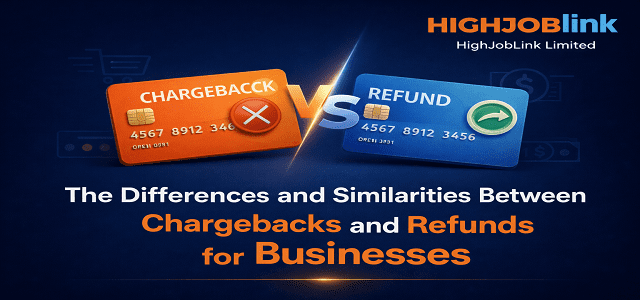
In the course of running your business, I want you to know that one-fifth of your transactions are most likely to be considered as incorrect, errors or mistakes which will all result in chargeback or refund requests in which your company might lose the profit from those transactions. If I must confess, I can tell you authoritatively that the costs associated with chargebacks or refunds might in some cases be higher than your gained revenue if you are not careful enough.
I personally as a business owner, do believe that knowing the differences between chargebacks and refunds as a business owner can make all the difference when it comes to the success and the long-term sustainability of your brand, as well as the failure or the losses your brand will come across.
In the business world or the life of an entrepreneur, chargebacks as well as refunds are two terms that you will continue to come across and it will be unwise to use these two business terms interchangeably to describe situations without knowing when to properly apply them.
Whether you are a retailer or a merchant, it is good and very important to understand why your customers or clients will choose to initiate either a chargeback or refund request. Knowing these causes will help reduce the number of liabilities you are most likely to face as a business owner when customers are dissatisfied with your service and request a reversal of the payment or purchases they made.
I have always explained to business owners that when customers aim to get their money back through a refund request, the final decision on whether to accept or reject the customer’s reason for requesting the refund solely rests on the business owner’s wish. If you wish to approve the refund, all you have to do is credit that client’s bank account or simply return the money in cash. However, let me first explain some of the things your business will do that would make a customer request for refunds or chargebacks, they include:
In the business world or for you as an entrepreneur, the best way to protect your business from chargeback and refund consequences is by first understanding the differences between chargebacks and refunds, the processes involved, and how to dispute these transactions effectively. Remember that as your company grows, you will come across these weekly. As I noted earlier it is not wise to use these words interchangeably without properly knowing when to properly apply them.
A chargeback is a transaction reversal that is usually initiated by customers and results in the return of funds to customers’ accounts after they dispute a card payment at their banks. The problem with chargebacks is that, unlike refunds, the banks are the ones who initiate chargebacks at the request of their customers who did business with you. The bank is responsible for retrieving the funds from your business’s account and then they return the funds to the customers. However, in most cases, these claims by your customers to their banks must be made within 120 days or 4 months of making the purchases.
What this means is that the customers contact their banks directly instead of contacting you. The bank is seen to be fully in charge here, as they can remove funds forcibly from your account, thereby reversing the payment even before you are contacted. Of course, chargebacks will cost your business with fees per chargeback. Depending on the amount involved you can always challenge these claims, but the truth is that it can take up to several months to dispute a single chargeback, and in the end, you might not win the argument.
I will advise you to always take control of refund situations as fast as possible, this will ensure the safety of your business. Unlike chargebacks, a refund involves your company’s voluntary repayment to the customer. Refunds pose a lesser reputational risk to your business than chargebacks because they are the result of a direct resolution between you and your customers, no third party involved good thing, right?
A refund is considered low risk in terms of liability though it also involves the repayment of a sum of money. Businesses must process each refund reversal request before authorization. When the customer contacts your company to request a refund, what happens next depends on your company’s refund policy. When refund terms and conditions are all met and you are confident that there is no foul play involved, it takes just a few days for you to grant the customer’s refund wish.
Both refunds and chargebacks pose reputational risks to businesses, through means such as loss of profits and increase in processing costs, both can have significant consequences for your business’s future.
Some of the situations that qualify a customer for requesting a refund or chargeback from your business, are fraud claims but remember that in the case of a refund, the customer can only get money back if the product is returned.
Yes. If your customers can’t get refunds from your company, they are allowed to bypass your company’s protocols and make an official chargeback request at their banks. They have stronger claims if they provide invoices or receipts, as well as transaction statements to indicate the error.
Yes. Through a process called representation, your company can fight chargeback requests by submitting a rebuttal letter to the bank that issued the chargeback. All you have to do is make a piece of compelling evidence to support your argument that you don’t recognize a transaction or you suspect it was from a fraudulent situation such as packages that were never delivered.